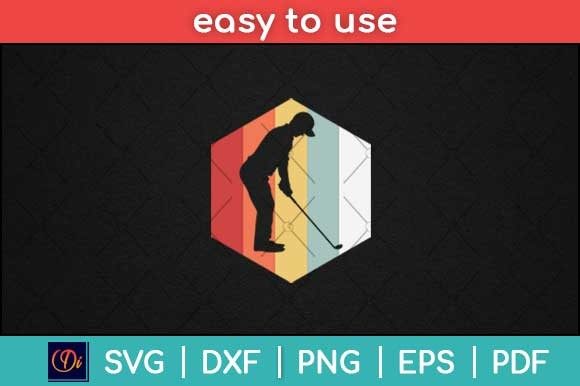
Golf Retro Distressed Style File
As an embroidery designer and product reviewer, I always start by evaluating a design’s potential for real-world use. The Golf Retro Distressed Style File caught my attention with its nostalgic vibe and versatility. This print cut file is compatible with Cricut and Silhouette machines, making it a solid choice for t-shirts, mugs, wall decals, pillows, posters, and phone cases. But what does it really bring to the table when it comes to actual embroidery projects?
The First Impression
From the moment I opened the Golf Retro Distressed Style File, I was struck by its retro aesthetic. The distressed look gives it a weathered, vintage feel that feels authentic rather than forced. The layout is clean, with a central golf-themed graphic that’s bold enough to stand out but not overwhelming. The details—like faded edges and subtle texture—add character without complicating the design.
This file naturally fits into custom apparel, especially for items like tote bags or sweatshirts where a little personality goes a long way. It also has potential for baby items, like onesies or blankets, where the soft, aged look can add a unique touch to personalized gifts.
Real-World Embroidery Performance
When I tested the Golf Retro Distressed Style File on a sample t-shirt, the results were promising. The design translated well to machine embroidery, with clear lines and defined shapes. The stitch density was moderate, which means it doesn’t overwhelm the fabric but still holds up well under normal wear.
For custom apparel, this design works best on medium-weight fabrics. It’s not ideal for very thin or stretchy materials, as the stitching might pucker or distort. On darker fabrics, the contrast between the design and the background is strong, which is great for visibility and visual impact.
I also tried it on a sweatshirt, and the result was clean and professional. The distressed effect adds a layer of depth that makes the finished product feel more handmade and less mass-produced. For small business owners or Etsy sellers, this could be a valuable addition to their design assets, especially if they’re targeting a vintage or retro-inspired audience.
Where to Use With Caution
While the Golf Retro Distressed Style File is versatile, there are some scenarios where it may not perform as well. If you’re working with small hoop sizes, the design might be too large to fit comfortably. That could lead to uneven stitching or difficulty in positioning the design correctly.
Textured or stretchy fabrics can also be a challenge. The design’s detailed corners and delicate elements may not hold up as well on these types of materials. Similarly, if you’re planning to use it on a curved surface like a cap, you’ll need to adjust the design or consider alternative methods like heat transfer or screen printing.
Small lettering or intricate details within the design may not show up clearly in tight spaces. If you’re planning to use this for embroidered patches or aprons, make sure the design is scaled appropriately for the intended application.
Impact on Visual Appeal and Customer Perception
The Golf Retro Distressed Style File adds a sense of authenticity and uniqueness to any project. Its aged look can elevate a simple t-shirt into a standout piece, making it more appealing to customers looking for something different. For handmade products or personalized gifts, this design can help build brand consistency and create a recognizable style.
Customers often associate quality with attention to detail, and this design delivers that. The visual appeal is enhanced by the contrast between the distressed elements and the surrounding fabric. It also contributes to a more professional finish, which is essential for commercial embroidery or boutique products.
As a digital product seller, I appreciate how this file can be used in printable mockups or digital previews. It helps buyers visualize the final product before purchasing, which can increase trust and reduce returns. For craft fair vendors or small shop owners, this design can be a reliable staple in their inventory.
Practical Designer Notes
Before using the Golf Retro Distressed Style File in a real project, I recommend testing it on scrap fabric. This will help you assess how the stitches interact with your chosen material and whether the design needs any adjustments.
Check thread color contrast carefully, especially if you’re using dark fabrics. A mismatched color can make the design look unpolished. Also, review the stitch density to ensure it’s appropriate for the fabric type and the intended use of the finished product.
Confirm the hoop size required for the design and make sure your machine can accommodate it. If the design is too large for your current setup, consider resizing or splitting it into sections. Inspect small details closely, as they can sometimes get lost during the embroidery process.
Test the design in black and white mockups to see how it looks without color. This can help you identify any issues with contrast or clarity. Compare it on both light and dark fabric backgrounds to ensure it works well in different settings.
Use proper stabilizer for the fabric you’re working with, especially if it’s lightweight or stretchy. This will prevent puckering and ensure a cleaner finish. Always check the licensing terms before selling finished items or digital products, even if the file is labeled as a print cut.
Final Thoughts
The Golf Retro Distressed Style File is a solid choice for designers and crafters looking for a vintage-inspired, adaptable design. It offers a good balance of detail and practicality, making it suitable for a wide range of embroidery projects. Whether you’re creating custom apparel, personalized gifts, or small business merchandise, this file has the potential to add value and appeal to your work.
With careful consideration of fabric type, hoop size, and stitch density, the Golf Retro Distressed Style File can become a reliable part of your design toolkit. For anyone looking to enhance their handmade products or expand their digital product offerings, this file is worth exploring.